
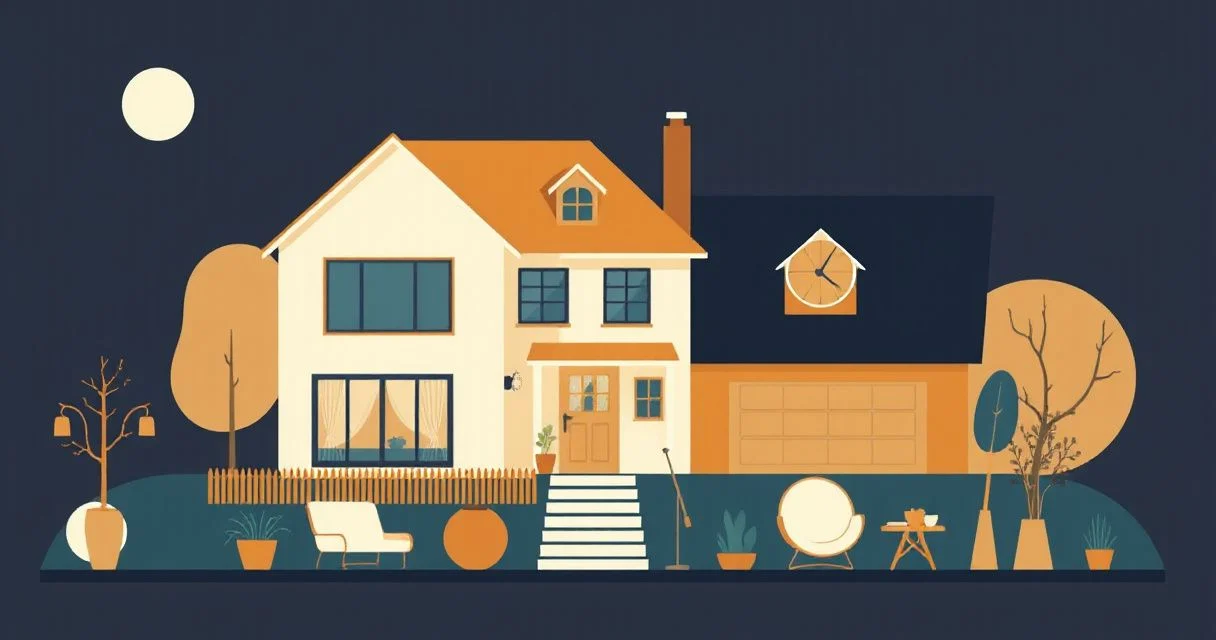
Describing Homes: A Guide to Adjectives for Houses
Choosing the right adjectives to describe a home can transform a simple description into a vivid and engaging portrayal. Whether you’re a real estate agent aiming to attract potential buyers, a writer crafting a scene, or simply someone wanting to articulate the feeling of ‘home,’ understanding how to use adjectives effectively is crucial. This article provides a comprehensive guide to adjectives for homes, covering definitions, structures, types, usage rules, common mistakes, and practical exercises. It’s designed for English language learners of all levels, from beginners seeking basic vocabulary to advanced speakers refining their descriptive skills.
Table of Contents
- Definition of Adjectives for Homes
- Structural Breakdown
- Types and Categories of Adjectives for Homes
- Examples of Adjectives for Homes
- Usage Rules for Adjectives for Homes
- Common Mistakes with Adjectives for Homes
- Practice Exercises
- Advanced Topics
- Frequently Asked Questions (FAQ)
- Conclusion
Definition of Adjectives for Homes
An adjective is a word that modifies a noun or pronoun, providing more information about it. Adjectives for homes are words that describe the characteristics, qualities, or features of a house, apartment, or any other type of dwelling. They help paint a more detailed and vivid picture of the property, allowing readers or listeners to understand its specific attributes. These adjectives can relate to various aspects, such as size, age, style, condition, location, and personal opinions.
The primary function of adjectives for homes is to provide descriptive details. They can be used in various contexts, including real estate listings, architectural reviews, personal descriptions, and creative writing. For example, instead of simply saying “a house,” you can say “a spacious house,” “a modern house,” or “a charming house.” Each adjective adds a layer of detail that helps convey a specific impression.
Adjectives are crucial for effective communication because they allow us to be more precise and expressive. When describing homes, they enable us to distinguish between different properties and highlight their unique qualities. This is especially important in fields like real estate, where the right adjectives can make a significant difference in attracting potential buyers.
Structural Breakdown
Adjectives generally appear before the noun they modify (attributive position) or after a linking verb such as “is,” “are,” “was,” “were,” “seems,” or “becomes” (predicative position). Understanding where to place adjectives in a sentence is crucial for grammatical correctness and clarity.
Attributive Position: In this position, the adjective comes directly before the noun it describes. This is the most common placement for adjectives. For example:
- A large kitchen.
- The historic building.
- An inviting porch.
Predicative Position: In this position, the adjective follows a linking verb and describes the subject of the sentence. For example:
- The house is beautiful.
- The apartment seems cozy.
- The garden was lush.
It’s important to note that some adjectives are more commonly used in one position than the other. For instance, adjectives like “main” or “sole” are almost always used attributively (e.g., the main house), while some adjectives like “afraid” or “content” are typically used predicatively (e.g., The residents are content).
Furthermore, multiple adjectives can be used to describe a single noun. When using multiple adjectives, it is essential to follow the correct order of adjectives, which will be discussed in detail later in this article.
Types and Categories of Adjectives for Homes
Adjectives for homes can be categorized based on the type of characteristic they describe. Here are some key categories:
Size Adjectives
These adjectives describe the physical dimensions or area of the home. They provide information about how large or small the property is.
- Large: A large family home.
- Small: A small cottage.
- Spacious: A spacious living room.
- Compact: A compact apartment.
- Huge: A huge mansion.
- Tiny: A tiny house.
- Grand: A grand estate.
- Substantial: A substantial property.
- Roomy: A roomy interior.
- Over-sized: An over-sized garage.
Age Adjectives
These adjectives describe the age or period of the home. They indicate whether the property is old, new, or somewhere in between.
- Old: An old farmhouse.
- New: A new condo.
- Ancient: An ancient castle.
- Modern: A modern house.
- Contemporary: A contemporary design.
- Historic: A historic landmark.
- Victorian: A Victorian home.
- Edwardian: An Edwardian building.
- Newly-built: A newly-built residence.
- Renovated: A renovated apartment.
Style Adjectives
These adjectives describe the architectural style or design of the home. They provide information about the aesthetic characteristics of the property.
- Traditional: A traditional bungalow.
- Rustic: A rustic cabin.
- Minimalist: A minimalist house.
- Art Deco: An Art Deco apartment.
- Mediterranean: A Mediterranean villa.
- Colonial: A Colonial mansion.
- Gothic: A Gothic cathedral.
- Tudor: A Tudor home.
- Ranch-style: A ranch-style house.
- Craftsman: A Craftsman bungalow.
Condition Adjectives
These adjectives describe the state of repair or upkeep of the home. They indicate whether the property is well-maintained, dilapidated, or somewhere in between.
- Well-maintained: A well-maintained garden.
- Dilapidated: A dilapidated shack.
- Renovated: A renovated kitchen.
- Run-down: A run-down building.
- Immaculate: An immaculate interior.
- Derelict: A derelict house.
- Pristine: A pristine condition.
- Shabby: A shabby room.
- Refurbished: A refurbished apartment.
- Neglected: A neglected property.
Location Adjectives
These adjectives describe the geographical setting or surroundings of the home. They provide information about where the property is situated.
- Seaside: A seaside villa.
- Rural: A rural cottage.
- Urban: An urban apartment.
- Suburban: A suburban house.
- Riverside: A riverside property.
- Mountainous: A mountainous region.
- Coastal: A coastal home.
- Downtown: A downtown loft.
- Lakeside: A lakeside cabin.
- Secluded: A secluded retreat.
Feature Adjectives
These adjectives describe specific characteristics or amenities of the home. They highlight particular aspects that make the property unique.
- Spacious: A spacious balcony.
- Cozy: A cozy fireplace.
- Bright: A bright sunroom.
- Modern: A modern kitchen.
- Updated: An updated bathroom.
- Private: A private garden.
- Open-plan: An open-plan living area.
- Well-lit: A well-lit study.
- High-ceilinged: A high-ceilinged living room.
- Air-conditioned: An air-conditioned bedroom.
Opinion Adjectives
These adjectives express subjective judgments or personal feelings about the home. They reflect the speaker’s or writer’s perspective.
- Beautiful: A beautiful home.
- Charming: A charming cottage.
- Lovely: A lovely apartment.
- Pleasant: A pleasant atmosphere.
- Comfortable: A comfortable living space.
- Elegant: An elegant design.
- Stunning: A stunning view.
- Magnificent: A magnificent structure.
- Wonderful: A wonderful place to live.
- Impressive: An impressive facade.
Color Adjectives
These adjectives describe the colors of the home’s exterior or interior. They provide visual details about the property’s appearance.
- White: A white house.
- Blue: A blue door.
- Red: A red brick wall.
- Green: A green roof.
- Yellow: A yellow kitchen.
- Gray: A gray facade.
- Beige: A beige living room.
- Brown: A brown wooden floor.
- Black: A black gate.
- Cream-colored: A cream-colored bedroom.
Examples of Adjectives for Homes
Below are several tables providing examples of how to use adjectives for homes in different contexts. These examples are categorized to illustrate the versatility of these descriptive words.
Table 1: Describing a House’s Exterior
This table provides examples of sentences using adjectives to describe the exterior features of a house, focusing on curb appeal and initial impressions.
| Sentence | Adjective(s) | Category |
|---|---|---|
| The imposing mansion stood proudly on the hill. | imposing | Opinion, Size |
| A quaint cottage nestled among the trees. | quaint | Opinion |
| The house had a bright, welcoming front door. | bright, welcoming | Color, Opinion |
| The well-maintained garden was a delight. | well-maintained | Condition |
| A gabled roof topped the structure. | gabled | Feature |
| The stone facade gave the building a sense of permanence. | stone | Material |
| The wraparound porch offered stunning views. | wraparound | Feature |
| The overgrown ivy partially obscured the walls. | overgrown | Condition |
| The sun-drenched patio was perfect for relaxing. | sun-drenched | Condition |
| An antique lamppost illuminated the driveway. | antique | Age |
| The colorful flowerbeds lined the path. | colorful | Color |
| A sturdy fence surrounded the property. | sturdy | Condition |
| The ornate balcony added a touch of elegance. | ornate | Style, Opinion |
| The weathered shingles hinted at the house’s age. | weathered | Condition, Age |
| A wide driveway led to the garage. | wide | Size |
| The shuttered windows gave the house a charming look. | shuttered | Feature, Opinion |
| The peeling paint indicated neglect. | peeling | Condition |
| The towering trees provided ample shade. | towering | Size |
| A circular driveway made access easy. | circular | Feature |
| The burgundy door was a striking feature. | burgundy | Color |
| The newly painted fence looked pristine. | newly painted | Condition, Age |
| A secluded garden offered privacy. | secluded | Location |
| The traditional architecture was well-preserved. | traditional | Style |
Table 2: Describing a House’s Interior
This table provides examples of sentences using adjectives to describe the interior features of a house, focusing on rooms, decor, and atmosphere.
| Sentence | Adjective(s) | Category |
|---|---|---|
| The spacious living room was perfect for entertaining. | spacious | Size |
| The cozy fireplace created a warm atmosphere. | cozy | Opinion |
| A modern kitchen with stainless steel appliances. | modern | Style |
| The bright sunroom overlooked the garden. | bright | Feature |
| An updated bathroom with marble countertops. | updated | Condition |
| The private study was ideal for working from home. | private | Feature |
| An open-plan living area connected the rooms. | open-plan | Feature |
| The well-lit hallway led to the bedrooms. | well-lit | Feature |
| A high-ceilinged dining room felt grand. | high-ceilinged | Feature |
| The air-conditioned bedroom ensured a comfortable night’s sleep. | air-conditioned | Feature |
| The wooden floors added warmth to the room. | wooden | Material |
| A charming reading nook by the window. | charming | Opinion |
| The antique furniture gave the house character. | antique | Age |
| The pastel walls created a soothing ambiance. | pastel | Color |
| A cluttered attic filled with forgotten treasures. | cluttered | Condition |
| The airy bedrooms were filled with light. | airy | Feature |
| The soundproof walls ensured privacy. | soundproof | Feature |
| A renovated basement offered extra living space. | renovated | Condition |
| The stylish decor made the house feel modern. | stylish | Opinion, Style |
| The narrow staircase led to the upper floor. | narrow | Size |
| The gleaming kitchen was a chef’s dream. | gleaming | Condition, Opinion |
| A sunny breakfast nook overlooked the garden. | sunny | Feature |
| The minimalist design was sleek and modern. | minimalist | Style |
Table 3: Describing a House’s Location and Surroundings
This table provides examples of sentences using adjectives to describe the location and surroundings of a house, focusing on its neighborhood and environment.
| Sentence | Adjective(s) | Category |
|---|---|---|
| The seaside villa offered stunning ocean views. | seaside | Location |
| A rural cottage nestled in the countryside. | rural | Location |
| The urban apartment was close to all amenities. | urban | Location |
| A suburban house in a family-friendly neighborhood. | suburban | Location |
| The riverside property had direct access to the water. | riverside | Location |
| A mountainous region with breathtaking scenery. | mountainous | Location |
| The coastal home was steps from the beach. | coastal | Location |
| A downtown loft in the heart of the city. | downtown | Location |
| The lakeside cabin was perfect for a weekend getaway. | lakeside | Location |
| A secluded retreat away from the hustle and bustle. | secluded | Location |
| The quiet neighborhood was perfect for families. | quiet | Location, Opinion |
| A picturesque setting surrounded the house. | picturesque | Opinion |
| The lush greenery added to the beauty of the location. | lush | Condition |
| A vibrant community with local shops and restaurants. | vibrant | Opinion |
| The rolling hills provided a stunning backdrop. | rolling | Feature |
| A peaceful environment perfect for relaxation. | peaceful | Opinion |
| The bustling city center was just a short drive away. | bustling | Location, Opinion |
| A historic district with charming architecture. | historic | Age, Style |
| The elevated position offered panoramic views. | elevated | Location |
| The wooded area provided a sense of privacy. | wooded | Location |
| The nearby amenities made the location convenient. | nearby | Location |
| The tranquil surroundings were ideal for nature lovers. | tranquil | Opinion |
| A scenic route led to the property. | scenic | Opinion |
Table 4: Combining Adjectives for a Detailed Description
This table demonstrates how to combine multiple adjectives to create more detailed and nuanced descriptions of homes. The order of adjectives is also highlighted.
| Sentence | Adjective(s) | Category | Adjective Order |
|---|---|---|---|
| A beautiful, large, old Victorian house. | beautiful, large, old, Victorian | Opinion, Size, Age, Style | Opinion, Size, Age, Style |
| The small, cozy cottage was perfect for a couple. | small, cozy | Size, Opinion | Size, Opinion |
| A modern, spacious apartment in the city center. | modern, spacious | Style, Size | Style, Size |
| The well-maintained, suburban house had a large garden. | well-maintained, suburban | Condition, Location | Condition, Location |
| An antique, wooden rocking chair sat on the porch. | antique, wooden | Age, Material | Age, Material |
| The bright, airy bedrooms were perfect for children. | bright, airy | Feature, Feature | Feature, Feature |
| A charming, renovated farmhouse in the countryside. | charming, renovated | Opinion, Condition | Opinion, Condition |
| The impressive, stone facade gave the building character. | impressive, stone | Opinion, Material | Opinion, Material |
| A quiet, secluded retreat away from the city. | quiet, secluded | Opinion, Location | Opinion, Location |
| The stylish, open-plan living area was perfect for entertaining. | stylish, open-plan | Opinion, Feature | Opinion, Feature |
| The new, energy-efficient windows kept the house warm. | new, energy-efficient | Age, Feature | Age, Feature |
| A small, red brick house on the corner. | small, red | Size, Color | Size, Color |
| The comfortable, well-lit study was ideal for reading. | comfortable, well-lit | Opinion, Feature | Opinion, Feature |
| A renovated, modern kitchen with granite countertops. | renovated, modern | Condition, Style | Condition, Style |
| The grand, historic mansion was a landmark in the town. | grand, historic | Size, Age | Size, Age |
| A sunny, spacious balcony with ocean views. | sunny, spacious | Feature, Size | Feature, Size |
| The peaceful, rural setting was perfect for retirement. | peaceful, rural | Opinion, Location | Opinion, Location |
| A bright, colorful garden with blooming flowers. | bright, colorful | Feature, Color | Feature, Color |
| The cozy, inviting living room had a fireplace. | cozy, inviting | Opinion, Opinion | Opinion, Opinion |
| A large, wooden deck overlooked the pool. | large, wooden | Size, Material | Size, Material |
| The dilapidated, old shed needed repairs. | dilapidated, old | Condition, Age | Condition, Age |
| A modern, minimalist apartment in the city. | modern, minimalist | Style, Style | Style, Style |
| The well-kept, private garden was perfect for relaxing. | well-kept, private | Condition, Feature | Condition, Feature |
Usage Rules for Adjectives for Homes
Using adjectives correctly is essential for clear and effective communication. Here are some important rules to follow when using adjectives for homes:
Adjective Order
When using multiple adjectives before a noun, they generally follow a specific order. Although not always rigid, this order helps ensure clarity and natural-sounding language. The typical order is:
- Opinion: beautiful, charming, lovely
- Size: large, small, spacious
- Age: old, new, ancient
- Shape: round, square, rectangular
- Color: red, blue, green
- Origin: French, Italian, American
- Material: wooden, stone, brick
- Purpose: rocking (chair), reading (lamp)
For example:
- A beautiful large old house (Opinion, Size, Age)
- A small red brick house (Size, Color, Material)
- A modern Italian kitchen (Style, Origin)
It is important to note that native speakers often adjust this order based on emphasis and personal preference, but following this guideline generally leads to correct and natural-sounding sentences.
Compound Adjectives
Compound adjectives are formed by combining two or more words, often with a hyphen. They function as a single adjective and usually come before the noun they modify.
For example:
- A well-maintained garden.
- A newly-built house.
- An open-plan living area.
When the compound adjective comes after the noun, the hyphen is often omitted. For example:
- The garden is well maintained.
- The house is newly built.
Coordinate Adjectives
Coordinate adjectives are two or more adjectives that modify the same noun equally. They are separated by a comma or the word “and.” Coordinate adjectives can be rearranged without changing the meaning of the sentence.
For example:
- A spacious, bright living room. (You could also say “a bright, spacious living room.”)
- A charming and cozy cottage.
However, if the adjectives are not coordinate (i.e., they do not modify the noun equally), they should not be separated by a comma. For example:
- A beautiful old house. (Old modifies house, and beautiful modifies old house, so they are not coordinate.)
Common Mistakes with Adjectives for Homes
Even experienced English speakers can make mistakes with adjectives. Here are some common errors to watch out for:
- Incorrect Order: Saying “a old beautiful house” instead of “a beautiful old house.”
- Missing Hyphens: Omitting hyphens in compound adjectives, such as writing “well maintained garden” instead of “well-maintained garden.”
- Incorrect Comma Usage: Using commas between non-coordinate adjectives, such as writing “a beautiful, old house” instead of “a beautiful old house.”
- Using Adverbs Instead of Adjectives: Saying “the house is newly” instead of “the house is new.”
- Misusing Similar Adjectives: Confusing adjectives with similar meanings, such as using “economic” when you mean “economical.”
Here are some examples of common mistakes and their corrections:
| Incorrect | Correct | Explanation |
|---|---|---|
| A old beautiful house | A beautiful old house | Incorrect adjective order. |
| Well maintained garden | Well-maintained garden | Missing hyphen in a compound adjective. |
| A beautiful, old house | A beautiful old house | Incorrect comma usage between non-coordinate adjectives. |
| The house is newly. | The house is new. | Using an adverb instead of an adjective. |
| An economic house design | An economical house design | Misusing similar adjectives. |
Practice Exercises
Test your understanding of adjectives for homes with these practice exercises.
Exercise 1: Identifying Adjectives
Identify the adjectives in the following sentences and categorize them.
| Sentence | Your Answer |
|---|---|
| The spacious, modern apartment overlooked the park. | |
| A charming, old cottage nestled in the woods. | |
| The bright, sunny kitchen was perfect for cooking. | |
| A well-maintained garden surrounded the house. | |
| The historic building had a grand entrance. | |
| The small, cozy room was ideal for reading. | |
| A renovated bathroom added value to the property. | |
| The secluded beach house offered privacy. | |
| The comfortable, air-conditioned bedrooms ensured a good night’s sleep. | |
| The elegant dining room hosted many dinner parties. |
Answer Key:
- spacious (size), modern (style)
- charming (opinion), old (age)
- bright (feature), sunny (feature)
- well-maintained (condition)
- historic (age), grand (size)
- small (size), cozy (opinion)
- renovated (condition)
- secluded (location)
- comfortable (opinion), air-conditioned (feature)
- elegant (opinion)
Exercise 2: Filling in the Blanks
Fill in the blanks with appropriate adjectives to describe the homes.
| Sentence | Your Answer |
|---|---|
| The ___________ mansion stood proudly on the hill. | |
| A ___________ cottage nestled by the river. | |
| The ___________ apartment overlooked the city. | |
| A ___________ house with a white picket fence. | |
| The ___________ castle was a sight to behold. |
Suggested Answers:
- Grand/Imposing
- Charming/Quaint
- Modern/Spacious
- Cozy/Suburban
- Ancient/Historic
Exercise 3: Sentence Transformation
Rewrite the following sentences by adding adjectives to make them more descriptive.
| Original Sentence | Your Answer |
|---|---|
| The house is on the street. | |
| The apartment has a view. | |
| The cottage is near the lake. | |
| The room is comfortable. | |
| The building is old. |
Example:
Original: The garden is big.
Answer: The lush, expansive garden is big.
Exercise 4: Descriptive Writing
Write a short paragraph (50-75 words) describing your dream home. Use as many descriptive adjectives as possible.
Example:
My dream home is a charming, secluded cottage nestled in the rolling hills of the countryside. The rustic, stone exterior is covered in climbing ivy, and the interior boasts a cozy, well-lit living room with a crackling fireplace. The spacious, modern kitchen is perfect for cooking, and the bright, airy bedrooms offer stunning views of the surrounding landscape. A well-maintained garden provides a peaceful retreat.
Advanced Topics
For those looking to further refine their use of adjectives for homes, here are some advanced topics to explore.
Figurative Language
Using figurative language can add depth and creativity to your descriptions. Similes, metaphors, and personification can make your writing more engaging and memorable.
Simile: A simile compares two things using “like” or “as.”
- The house stood as proud as a castle on the hill.
Metaphor: A metaphor directly equates two things without using “like” or “as.”
- The kitchen was a bright haven for cooking enthusiasts.
Personification: Personification gives human qualities to inanimate objects.
- The ancient walls whispered stories of the past.
Nuance and Connotation
Understanding the subtle differences in meaning (nuance) and the emotional associations (connotation) of adjectives can help you choose the most appropriate words for your descriptions.
For example, “old” and “antique” both describe something that is not new, but “antique” carries a connotation of value and historical significance, while “old” can simply mean aged or worn.
Consider these examples:
- Cozy vs. Cramped: Both describe a small space, but “cozy” has positive connotations of warmth and comfort, while “cramped” suggests being uncomfortably confined.
- Secluded vs. Isolated: Both describe a location that is set apart, but “secluded” suggests privacy and tranquility, while “isolated” can imply loneliness and remoteness.
Frequently Asked Questions (FAQ)
How many adjectives can I use to describe a home?
You can use as many adjectives as necessary to provide a detailed description, but it’s important to avoid overwhelming the reader. Generally, using two or three well-chosen adjectives is more effective than using many that are redundant or unnecessary.
Can I use adverbs to modify adjectives for homes?
Yes, adverbs can be used to modify adjectives to add more detail. For example, you can say “a very spacious living room” or “a beautifully renovated kitchen.”
Are there any adjectives I should avoid when describing homes?
Avoid using adjectives that are vague, overused, or have negative connotations unless you are intentionally trying to convey a negative impression. For example, avoid using “nice” or “okay” as they don’t provide much specific information. Also, be cautious with adjectives like “small” or “old” as they can be perceived negatively depending on the context.
How can I improve my vocabulary of adjectives for homes?
Read widely, pay attention to how adjectives are used in real estate listings and architectural descriptions, and make a practice of noting down new and interesting adjectives you encounter. Use a thesaurus to find synonyms and expand your options.
Is there a difference between describing a house and describing an apartment?
Yes, while many adjectives can be used interchangeably, some are more appropriate for one type of dwelling than the other. For example, “gabled” or “colonial” are more commonly used for houses, while “loft” or “studio” are more often used for apartments. Consider the specific characteristics of the property when choosing your adjectives.
Conclusion
Mastering the use of adjectives for homes can significantly enhance your ability to describe properties effectively and engagingly. By understanding the different types and categories of adjectives, following the rules of usage, avoiding common mistakes, and practicing regularly, you can develop a rich and descriptive vocabulary that will serve you well in various contexts, from real estate to creative writing. Remember to pay attention to nuance and connotation, and don’t be afraid to experiment with figurative language to add depth and creativity to your descriptions. With practice and attention to detail, you can paint vivid and compelling pictures of homes that resonate with your audience.
Checked against Merriam-Webster, the Chicago Manual of Style and the AP Stylebook. Spotted an error? Tell us — see our editorial policy.