Capital Letters: The Rules Beyond the Obvious
Everyone knows sentences and names. The trouble is job titles, seasons, directions, and the compulsion to capitalise anything that feels important.

Author
Nathan Cole writes the adjective guides and word lists on Grammar Simplified. Every guide he publishes is checked against Merriam-Webster for spelling and usage, the Chicago Manual of Style for punctuation, and the AP Stylebook where a convention is specific to web writing. Where a rule is genuinely disputed among those authorities, he says so in the guide rather than picking a side quietly. Corrections are welcome and get acted on — see the editorial policy.
927 guides published
Everyone knows sentences and names. The trouble is job titles, seasons, directions, and the compulsion to capitalise anything that feels important.
It marks something left out, or it marks a sentence trailing away. It does not mean “and so on”, and it is not a general-purpose pause.
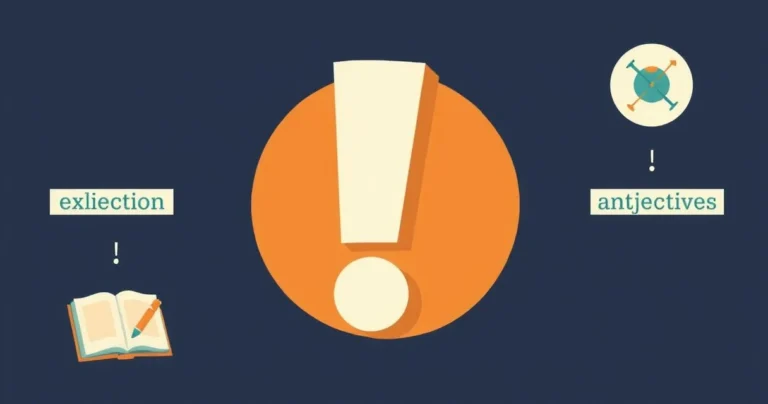
It works by being rare. Use two on a page and neither means anything, which is why professional writing has quietly abandoned it.
Joining two sentences with a comma is the most common punctuation error in English. It is also a deliberate device, and telling the two apart is the whole skill.
The same aside can be whispered, spoken or announced. Three pairs of marks, three volumes, and most writers only ever use one.
One job, one test. If the words before it do not form a complete sentence, the colon is in the wrong place.
American and British English disagree, and the American rule was invented for the convenience of typesetters rather than for logic.
Nobody struggles with the dog’s bone. The trouble is plurals, names ending in s, and the one case where the apostrophe should not be there at all.
They look similar and do entirely different things. Two of them most people have never deliberately typed.
Two uses, both simple. The reason people avoid it is that nobody explains which one they are looking at.
Grammar Simplified
Plain-English grammar guides and curated adjective lists. Free to read, checked against Merriam-Webster, Chicago and AP before publication.
242 grammar guides →